Film Mechanics • Motion Picture Engineering & Cinema Optics Archive • 2026 Edition

The Comprehensive Engineering Guide to Cinematography, Motion Picture Cameras & 35mm Optics

Explore over 43,000 words of peer-reviewed cinematography engineering, rotary shutter physics, anamorphic lens optics, and IMAX projection analyses authored by Senior Cinematographer Richard Haag.

Explore 20 Film Engineering Guides ↓
🎥 Film Technology 📹 Film Cameras 🎞️ Film Formats 🎬 Cinematography ✨ Visual Effects 📽️ Film Projection

IMAX Projection Engineering: Dual-Laser Systems, Water-Cooled Arc Lamps, and Sound Dynamics
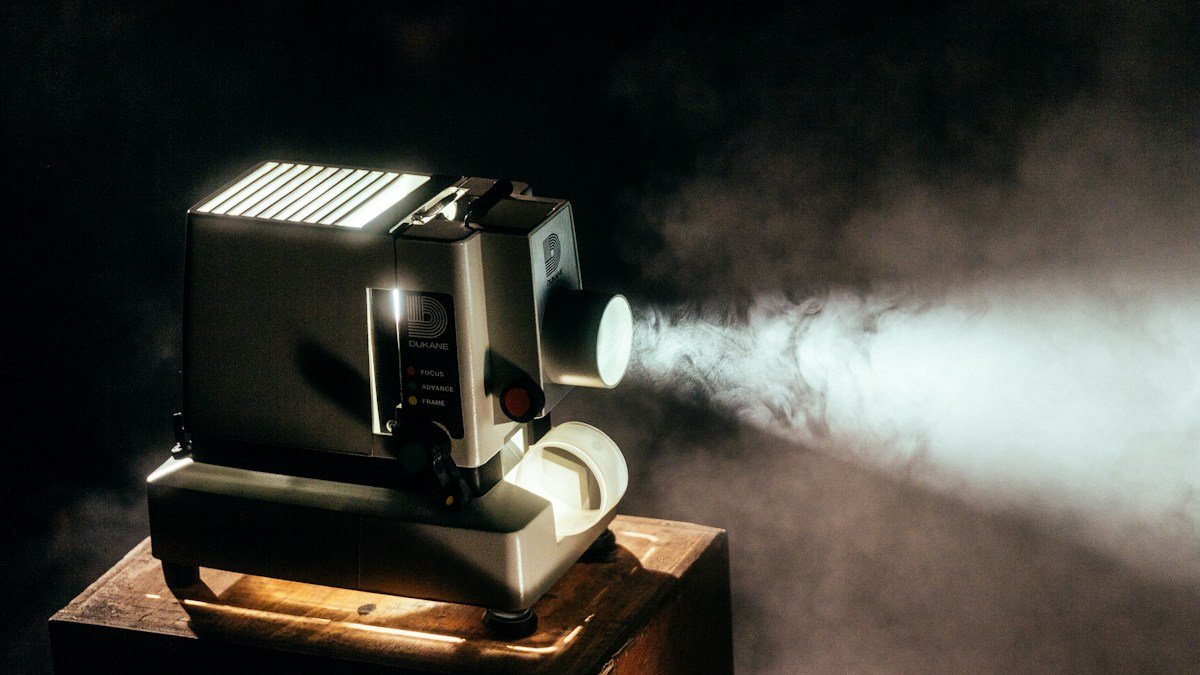
When an audience steps into a flagship IMAX auditorium, they are not entering a standard cinema; they are crossing the threshold into one of the most complex, high-energy audiovisual environments ever engineered. Illuminating an eight-story-tall screen with crystalline brightness while delivering uncompressed acoustic shockwaves that can be felt in the chest cavity requires cutting-edge optical … Read more
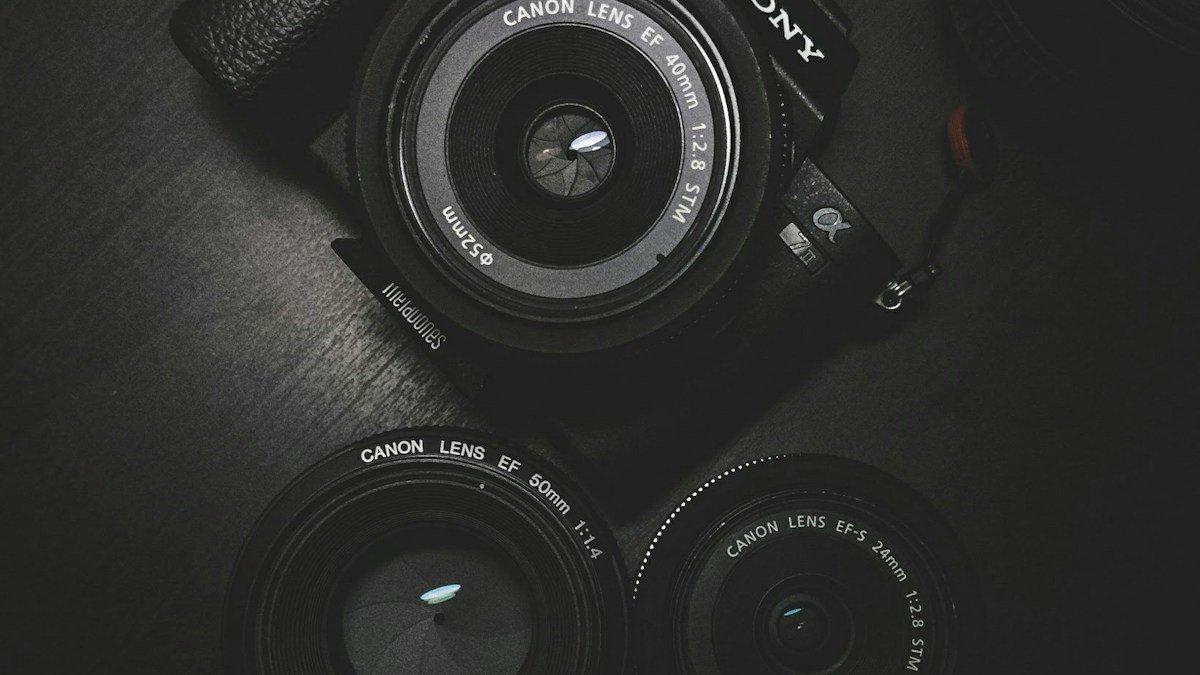

Depth of Field and Sensor Geometry: How Aperture, Focal Length, and Circle of Confusion Shape Imagery

Depth of field (DoF)—the zone of acceptable optical sharpness extending in front of and behind the precise plane of focus—is the cinematographer’s primary mechanism for directing audience attention. In an image packed with visual chaos, isolating an actor’s eyes with razor-thin focus while melting distracting backgrounds into butter-smooth bokeh creates instant dramatic focus. Yet behind … Read more

Digital Cinema vs 70mm Celluloid Projection: Resolution, Contrast, and Mechanical Reliability

Over the past two decades, the global exhibition landscape underwent its most seismic technological revolution since the arrival of sound: the near-total replacement of physical 35mm celluloid film prints with Digital Cinema Package (DCP) servers and solid-state laser projectors. Yet, at the highest echelon of cinematic prestige, large-format **70mm celluloid projection** has enjoyed a breathtaking … Read more

Inside the Cinema Projection Booth: Intermittent Sprockets, Geneva Drives, and Xenon Lamps

While directors and cinematographers capture the magic on set, the final guardian of the cinematic experience has always lived high above the auditorium in a dimly lit, heat-soaked chamber: the **Cinema Projection Booth**. Far from being a simple automated box, a mechanical 35mm or 70mm film projector is a high-speed mechanical kinetic engine operating under … Read more

The Mechanics of Motion Control Rigs: Precision Robotics and Repeatable Camera Passes

Before the advent of computer graphics, executing complex composite shots involving moving cameras—such as the Millennium Falcon dogfighting through a cloud of TIE fighters or an actor shaking hands with their own identical twin—was an absolute impossibility. If a camera moved by even a fraction of an inch between separate passes, the background and foreground … Read more

Optical Printing and In-Camera Compositing: How Classic Hollywood Built Visual Effects Before Computers

In contemporary post-production, combining multiple visual elements—such as placing an actor in front of a distant skyline or superimposing a ghost into a room—takes minutes in digital node-based compositing software like Nuke or After Effects. Yet for over six decades, every multi-layered composite in Hollywood had to be crafted through delicate mechanical synchronization, chemical photochemical … Read more

Practical VFX vs CGI: The Engineering Behind Miniatures, Matte Paintings, and Pyrotechnics

In modern cinema discourse, visual effects are frequently mischaracterized as a binary war between “pure physical practical effects” and “sterile digital CGI.” In reality, cinema history has always been a disciplined synthesis of physical engineering, chemical pyrotechnics, optical trickery, and digital image processing. Long before render farms existed, miniature builders and special effects coordinators were … Read more

Camera Movement Mechanics: Dolly Tracks, Jibs, Steadicam, and Technocranes in Motion

In visual storytelling, the camera is never a passive observer; it is an active participant whose kinetic energy shapes the psychological rhythm of the scene. From the stately, glass-smooth glide of a Fisher 11 studio dolly to the floating, balletic grace of a Steadicam and the colossal, robotic sweep of a 50-foot telescoping Technocrane, mechanical … Read more

The Science of Cinematic Lighting: Three-Point Lighting, Inverse-Square Law, and Contrast Ratios

Cinematography is fundamentally the art and science of recording light. Yet, amateur lighting frequently treats illumination merely as a utility to achieve baseline exposure. In professional cinema, lighting is an architectural sculpting tool governed by optical physics, photometric inverse-square laws, and precise contrast ratios designed to direct the viewer’s eye, carve three-dimensional depth from a … Read more

Aspect Ratios in Cinema: The Mechanical History from Academy 1.37:1 to CinemaScope 2.39:1

The aspect ratio—the proportional relationship between the width and height of the projected motion picture frame—is the fundamental geometric boundary of cinema. Far from being a neutral window, the aspect ratio dictates compositional staging, character isolation, architectural scale, and emotional intimacy. The historical evolution of these ratios was not driven by abstract aesthetic whims, but … Read more