Depth of Field and Sensor Geometry: How Aperture, Focal Length, and Circle of Confusion Shape Imagery
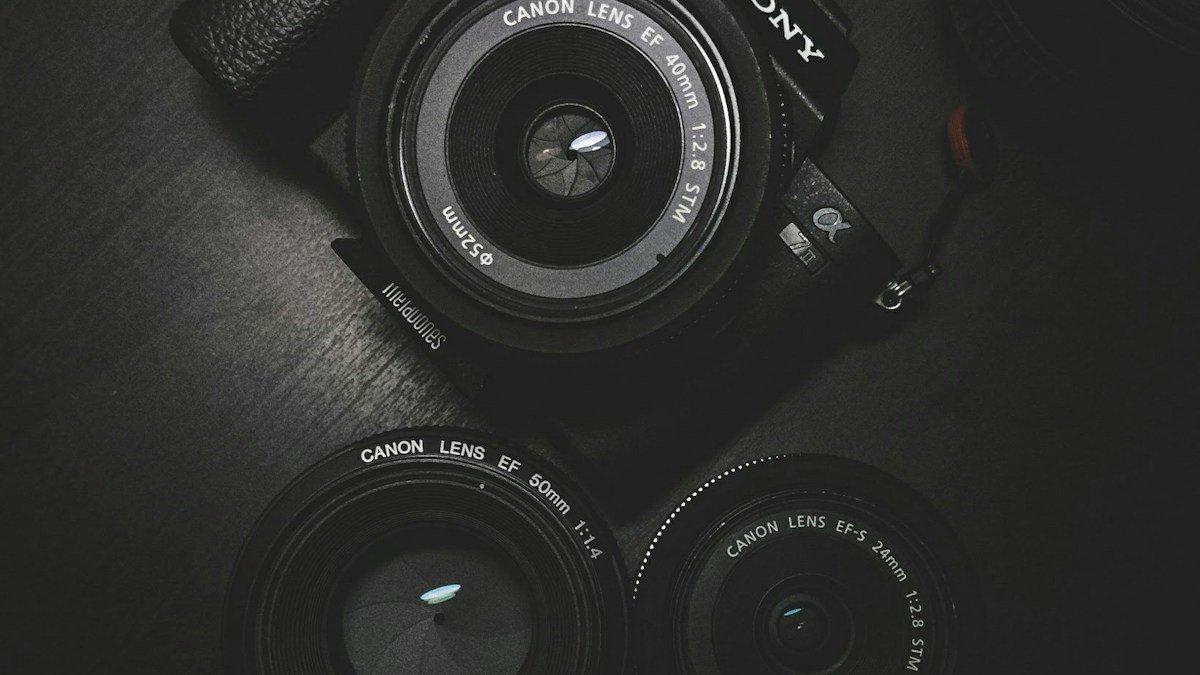
Depth of field (DoF)—the zone of acceptable optical sharpness extending in front of and behind the precise plane of focus—is the cinematographer’s primary mechanism for directing audience attention. In an image packed with visual chaos, isolating an actor’s eyes with razor-thin focus while melting distracting backgrounds into butter-smooth bokeh creates instant dramatic focus. Yet behind … Read more

Camera Movement Mechanics: Dolly Tracks, Jibs, Steadicam, and Technocranes in Motion

In visual storytelling, the camera is never a passive observer; it is an active participant whose kinetic energy shapes the psychological rhythm of the scene. From the stately, glass-smooth glide of a Fisher 11 studio dolly to the floating, balletic grace of a Steadicam and the colossal, robotic sweep of a 50-foot telescoping Technocrane, mechanical … Read more

The Science of Cinematic Lighting: Three-Point Lighting, Inverse-Square Law, and Contrast Ratios

Cinematography is fundamentally the art and science of recording light. Yet, amateur lighting frequently treats illumination merely as a utility to achieve baseline exposure. In professional cinema, lighting is an architectural sculpting tool governed by optical physics, photometric inverse-square laws, and precise contrast ratios designed to direct the viewer’s eye, carve three-dimensional depth from a … Read more