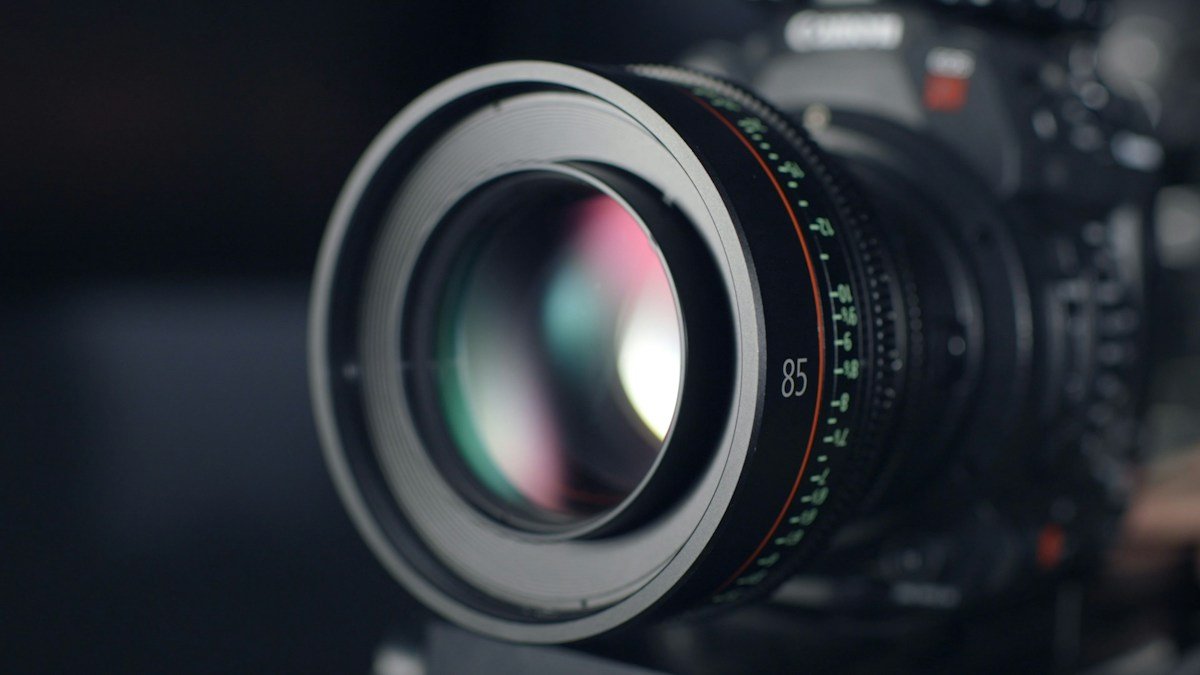
Cinema Lenses Explained: Anamorphic vs Spherical Optics, Flange Depth, and T-Stops

While the camera body functions as the light-tight recording chamber, it is the cinema lens that crafts the soul, perspective, and emotional texture of the image. Yet cinema optics are fundamentally different from photographic still lenses: they are mechanical instruments built for precise optical repeatability, zero focus breathing, calibrated light transmission, and distinct character. “Still … Read more


The Return of 16mm Filmmaking: Why Super 16 Cameras Are Thriving in the Modern Era

In an era dominated by ultra-clean 8K digital cinema sensors, computational noise reduction, and sterile sharpness, a powerful aesthetic counter-revolution has taken root: the triumphant resurgence of 16mm motion picture film. From Oscar-winning features like Black Swan, Carol, and Poor Things to iconic music videos for Kendrick Lamar and high-fashion campaigns for Gucci and Saint … Read more

ARRI vs Panavision: The Engineering History and Legacy of Cinema Camera Design

In the storied history of motion picture cinematography, two iconic titans have defined how films are captured, engineered, and visualized: Arnold & Richter (ARRI) of Munich, Germany, and Panavision of Woodland Hills, California. For over seven decades, the philosophical, optical, and mechanical rivalry between ARRI and Panavision has driven the technological evolution of cinema cameras … Read more

The Anatomy of 35mm Cinema Cameras: Movement, Claw Mechanisms, and Registration Pins

At the beating heart of every photochemical motion picture camera lies an extraordinary clockwork mechanism known simply as “the movement.” While lenses shape light and viewfinders guide framing, it is the movement that physically manipulates celluloid ribbons moving at nearly one and a half feet per second with tolerances measured in thousandths of a millimeter. … Read more